Labor & Birth Techniques
You'll learn everything from us.
Breathing and Visualization: Staying Present Through Labor
Breathing and visualization are foundational tools in a gentle approach to labor and birth. They are not about eliminating sensation or controlling the process, but about supporting focus, calm, and connection when intensity rises. When the breath is steady and intentional, it sends signals of safety to the nervous system — helping the body soften rather than tense in response to contractions.
Gentle breathing techniques are simple and adaptable. Slow inhalations through the nose and longer, relaxed exhales through the mouth can help release tension in the jaw, shoulders, and pelvic floor. Many women find that focusing on the exhale during contractions allows them to stay present rather than bracing against sensation. There is no single “correct” way to breathe; what matters is finding a rhythm that feels supportive and familiar.
Visualization works alongside breath by giving the mind something steady to rest on. Some women imagine waves rising and falling, a flower opening, or the body gently guiding the baby downward. These images are not meant to force progress, but to encourage cooperation between mind and body. Visualization can also help redirect attention away from fear and toward trust and flow.
Practicing breathing and visualization during pregnancy makes them easier to access during labor. Over time, these techniques become intuitive responses rather than tasks to remember. Whether labor is long or fast, calm or intense, breath and visualization offer grounding tools that support emotional regulation and adaptability.

Supporting the Body Through Movement and Positioning
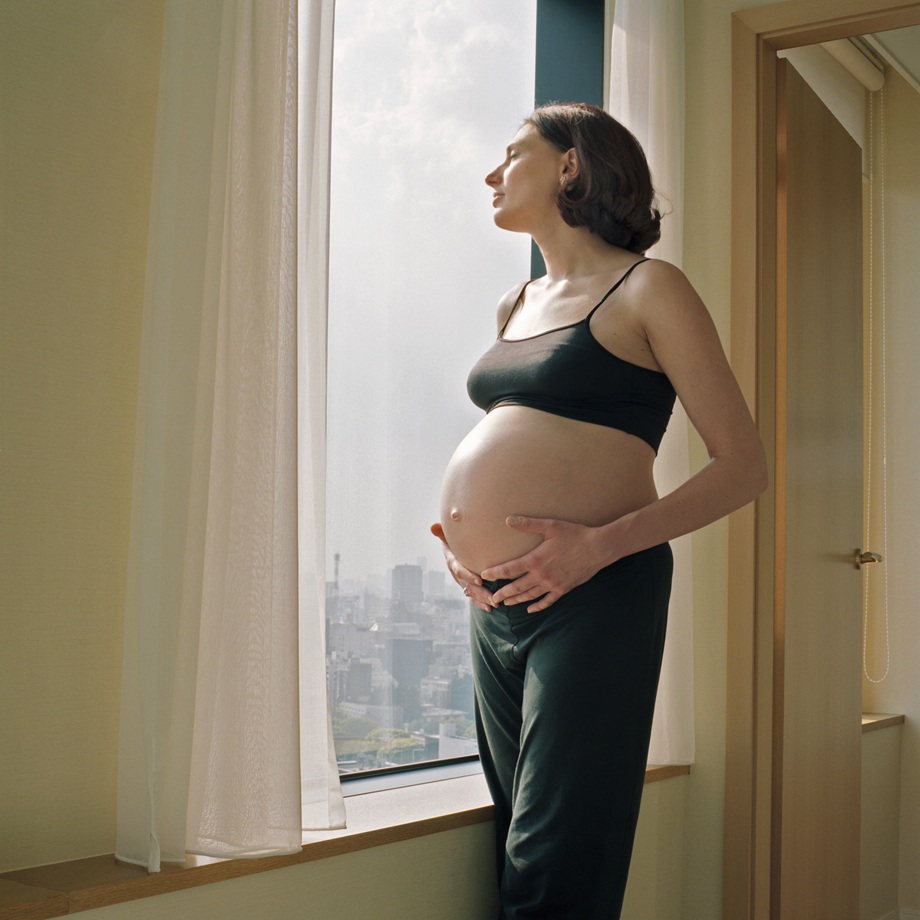
Movement plays an important role in supporting the body during labor. Upright and forward-leaning positions — such as standing, swaying, leaning over a bed or birth ball, or kneeling — can encourage comfort, promote effective contractions, and help the baby move through the pelvis.
Gravity can be a powerful ally. When the body is upright, the pelvis has more room to open, and pressure is distributed more evenly. Many women find that changing positions helps relieve discomfort and provides a sense of agency during labor. Gentle birth encourages listening to the body’s cues rather than holding fixed positions.
Forward-leaning positions can also reduce pressure on the lower back and allow the abdomen to relax. These positions are especially supportive in hospital settings, where mobility is sometimes underestimated. Even with monitoring or medical support, small shifts in position can make a meaningful difference.
Movement does not need to be constant or energetic. Gentle rocking, slow walking, or resting between contractions are all part of responsive labor. The goal is comfort and alignment, not endurance. Supporting the body through intuitive movement allows labor to unfold in a way that feels collaborative rather than restrictive.
Creating Comfort: Water, Sensory Space, and Early Labor at Home
Comfort measures play a significant role in how labor is experienced, particularly in early and active labor. Water immersion, when available, is one of the most commonly used gentle techniques. Warm water can help relax muscles, reduce tension, and create a sense of privacy and containment.
Many women describe water as soothing and grounding, especially during intense contractions. Even a warm shower can offer similar benefits when a tub is not accessible. Water supports relaxation without requiring effort — allowing the body to float, soften, and release.
A sensory-friendly birth space also supports comfort and emotional safety. Gentle lighting, familiar music, quiet voices, and minimal interruptions can help the nervous system remain calm. These elements can be created in any setting, including hospitals, with thoughtful planning.
Early labor is often best spent at home when possible. Familiar surroundings can support relaxation and allow labor to establish its rhythm without pressure. Gentle activities — resting, breathing, hydrating, or moving intuitively — help conserve energy for later stages. Understanding when to remain home and when to transition can help families feel more confident and prepared.

Gentle Pushing and Communicating Your Needs During Birth
The pushing phase of birth is often portrayed as something to be forced or directed. Gentle birth approaches pushing as a natural, responsive process guided by the body’s sensations. When allowed, many women feel an instinctive urge to push that aligns with contractions and breath.
Gentle pushing emphasizes following these cues rather than holding the breath or straining aggressively. Open-throat breathing, relaxed jaw, and upright or side-lying positions can support this stage and reduce unnecessary tension. The goal is effectiveness through cooperation rather than force.
Communication becomes especially important during this time. Being able to express needs — whether for position changes, quiet, reassurance, or medical information — helps maintain emotional safety. Gentle birth encourages families to prepare communication language ahead of time so it feels accessible during labor.
Clear, respectful communication with care providers allows decisions to be made collaboratively. Feeling heard and included can significantly influence how birth is remembered, regardless of how it unfolds. Gentle birth techniques support not only the physical process of labor, but the emotional experience of being supported, respected, and empowered throughout birth.