Birth is frequently discussed in terms of physical mechanics—the dilation of the cervix, the position of the baby, the length of the labor. While these physical aspects are undeniable, anyone who has walked the path of birth knows that it is equally an emotional marathon. Throughout the process, you may experience a spectrum of emotions that shift as rapidly as the tide: from fierce confidence and primal focus to vulnerability, doubt, and moments of profound transcendence.
At A Gentle Birthing, we emphasize that these emotional shifts are not a sign that something is wrong. Rather, they are a normal, healthy, and expected part of the journey. Learning to “ride the waves” of your emotions is just as critical to your pregnancy preparation as physical conditioning or learning breathing patterns. By reframing how you view these emotional tides, you can move from a place of fear to a place of empowered surrender.
Why Birth Is an Emotional Experience
During labor, the brain undergoes a unique neurochemical shift. The prefrontal cortex—the part of the brain responsible for logical, analytical, and social reasoning—slowly recedes into the background. As it does, the limbic system, our emotional and primitive center, comes to the forefront. This is why you might suddenly feel raw, hyper-sensitive, or deeply introspective.
This emotional vulnerability is a biological design feature, not a bug. It allows the birthing person to let go of the “thinking” world and drop into the “doing” world of the body. However, because we are so conditioned in our daily lives to stay “in control,” this shift can feel overwhelming. Understanding the nature of these emotional waves allows us to let them pass without fighting them.
The Phases of the Emotional Tide
While every birth is unique, many people describe their emotional journey in a series of waves.
1. The Wave of Anticipation (Early Labor)
This is the “check-in” phase. You may feel a mix of excitement, nerves, and a bit of disbelief. The emotional tide is relatively calm but has an underlying current of anticipation. You are still very much in your logical brain, asking questions and making plans.
2. The Wave of Doubt (Transition)
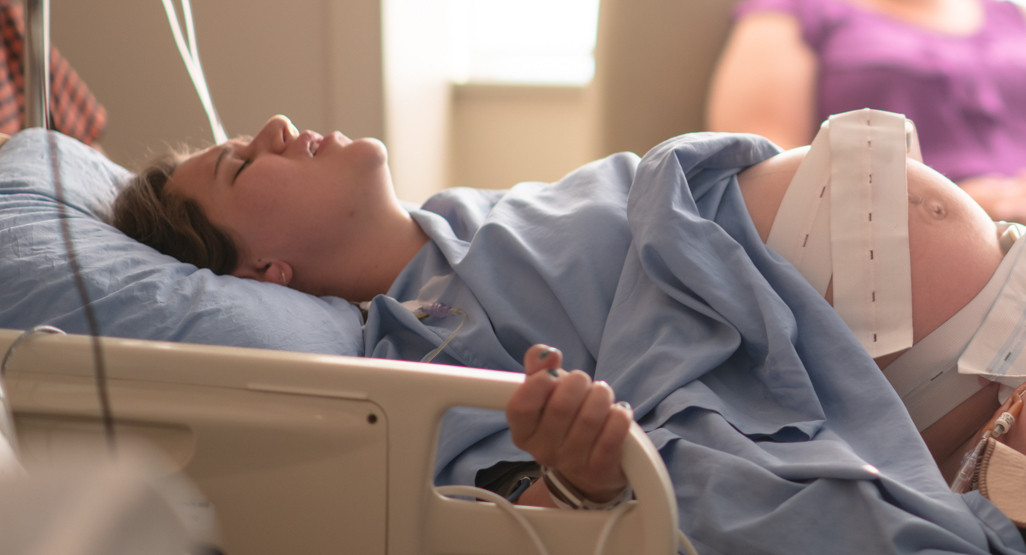
This is the most misunderstood emotional moment in birth. Just as you are nearing the end, a wave of “I can’t do this” often washes over the birthing person. In our labor birth techniques sessions, we refer to this as the “crisis of confidence.” It is a normal physiological response to the rising intensity of hormones. It is not a sign of failure; it is actually a sign that you are reaching the finish line.
3. The Wave of Transcendence (The Arrival)
Once the baby arrives, the emotional tide often shifts instantly. For many, this is a moment of pure, unadulterated clarity. The labor intensity is replaced by a rush of hormones that create a deep sense of connection, relief, and awe.
How to Ride the Waves
When you are in the middle of an emotional wave, it can feel like you are drowning. Here are a few ways to keep your head above water and keep moving forward.
Surrender, Don’t Resist
The most exhausting way to deal with an emotional wave is to fight it. If you feel scared, tell yourself, “I am scared, and that is okay.” If you feel like giving up, acknowledge the thought, breathe through it, and let it pass. Resisting the emotion requires energy; surrendering to it allows that energy to be channeled into the work of birth.
Focus on the “Right Now”
Emotional overwhelming often comes from looking too far ahead—worrying about the next hour, the next day, or the exhaustion of the future. When you feel a wave rising, shrink your world. Focus on the next single breath. Focus on the sensation in your hands. Focusing on the present moment makes the emotional load manageable.
The Anchor of Your Support Team
Emotional regulation is a team sport. Your partner or doula is there to hold the space you cannot hold yourself. Through our partners support initiatives, we teach companions how to recognize the signs of these emotional shifts and provide the grounding reassurance the birthing person needs. Whether it’s a steady hand on the shoulder or a gentle reminder of your strength, your team is your anchor in the tide.
Cultivating Resilience Through Practice
You don’t have to wait for labor to learn how to ride these waves. Incorporating mind-body practices into your daily life is a powerful way to build emotional flexibility. Mindfulness, meditation, and even journaling about your fears can help you become familiar with your own emotional landscape.
When you learn to observe your thoughts and feelings without being pulled into them, you gain a massive advantage in the birth room. You learn to become the “observer” of your birth, rather than just the victim of it. This ability to witness your own experience is a key tenet of our gentle birth principles.
Finding Your Local Community
If you are a local family and you are feeling intimidated by the emotional intensity of the upcoming birth, please know you are not alone. Many of the families we work with experience the same hesitations. We invite you to visit our frequently asked questions page to read about how others have navigated these challenges, or contact us to discuss how we can support you in feeling confident and prepared.
For a broader perspective on the psychology of birth, the DONA International organization offers excellent resources on the emotional needs of the laboring person and how professional support can bridge the gap during those intense moments of transition.
Conclusion: You Are the Ocean
The most important thing to remember is this: you are not the waves. You are the ocean. The waves are just passing through you—intense, temporary, and necessary. They are moving you toward your baby, one pulse of emotion at a time.
Do not be afraid of your tears, your fear, or your doubt. They are part of the process of becoming a parent. By meeting these emotions with grace and letting your support team help you stay anchored, you are not just surviving the waves; you are learning how to ride them with strength and intention. Trust your body, trust your heart, and trust the process. You are doing exactly what you were designed to do.