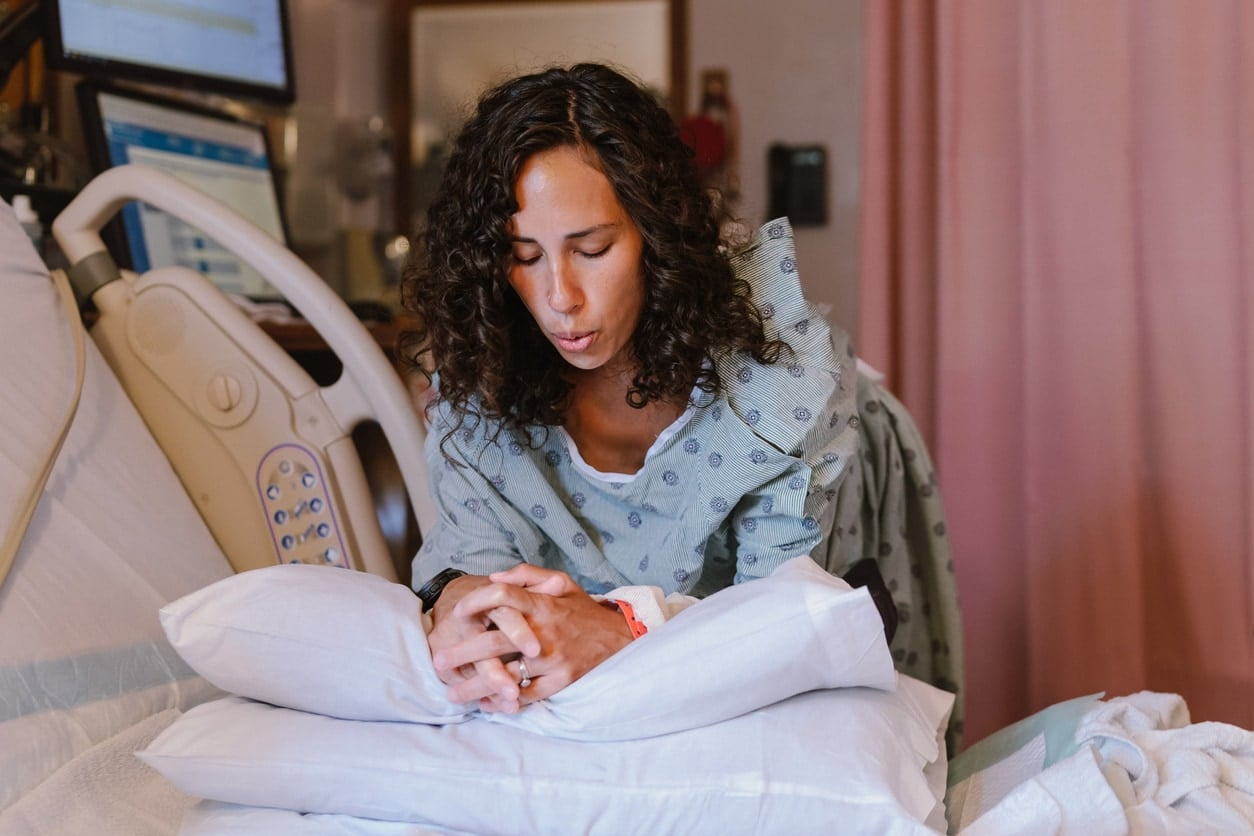
There is a common misconception that a “gentle birth” is defined solely by a specific set of clinical choices—most notably, the choice to forgo pain medication. This narrow definition does a disservice to the philosophy itself. While many who seek a gentle birth experience do aim for an unmedicated physiological birth, the core of gentle birth is not about the absence of medical intervention.
Instead, the essence of gentle birth principles is rooted in autonomy, informed consent, and the preservation of the birthing person’s dignity, regardless of the medical path the journey takes.
Defining the “Gentle” Philosophy
At its heart, a gentle birth is a state of mind. It is a commitment to ensuring that the birthing person feels heard, respected, and empowered throughout the entire process.
When we talk about gentleness, we are talking about:
- Safety and Security: Feeling psychologically safe enough to allow the body’s natural hormones—like oxytocin—to do their work.
- Informed Autonomy: Having a deep understanding of your options and being an active participant in every decision, rather than a passive recipient of care.
- Supportive Environments: Creating a space that minimizes unnecessary stress and interference, whether you are in a hospital bed or at home.
Where Medication Fits In
The reality of birth is that it is inherently unpredictable. Complications can arise, exhaustion can set in, and medical interventions—including pain relief like epidurals, or medical induction—can become necessary or even life-saving.
Does choosing an epidural or needing an intervention mean you have “failed” at a gentle birth? Absolutely not.
A gentle birth experience can absolutely include medical support. It becomes “gentle” when those interventions are utilized in a way that remains respectful of your birth vision. For example, if a birthing person chooses an epidural to find rest and manage pain, they can still maintain a gentle experience by:
- Maintaining Control: Continuing to be the primary decision-maker for their own care.
- Preserving the Vibe: Keeping the room dimmed, playing music, and maintaining the presence of their chosen support team.
- Active Engagement: Using labor and birth techniques such as position changes with assistance to encourage the baby’s descent, even with an epidural.
The Importance of Pregnancy Preparation
If the definition of gentle birth is so flexible, why spend time preparing? Because preparation is not about scripting a “perfect” unmedicated birth; it is about building the mental and physical toolkit to handle whatever happens.
When you invest in mind-body practices during your pregnancy, you are training your nervous system to stay grounded in the face of intensity. If your birth plan shifts due to medical necessity, those same grounding techniques—breathwork, visualization, and a focus on keeping the jaw and pelvic floor relaxed—are just as effective in a clinical setting as they are in a home setting.
The Role of the Partner Support Team
One of the most important aspects of a gentle birth is the presence of an advocate. In any birth setting, having a partner or doula who understands your values is the ultimate safeguard. They are the ones who can ensure that even if the medical landscape changes, the “gentleness” of your care does not. They act as the bridge between you and the clinical staff, ensuring that informed consent remains a conversation, not a directive.
Moving Beyond Labels
The focus on “medicated vs. unmedicated” can create unnecessary pressure and judgment. Every birthing person deserves a gentle, respectful experience.
If you have questions about how to reconcile a need for medical support with your desire for a gentle experience, our FAQ page offers guidance on navigating these conversations with your care provider. For more tailored support, you can always contact us to discuss your concerns.
Remember, your birth experience belongs to you. It is not measured by the tools used or the medication administered, but by how you were treated and how you felt throughout the process. When you feel respected and empowered, you have achieved the goal of a gentle birth, no matter the clinical outcome.