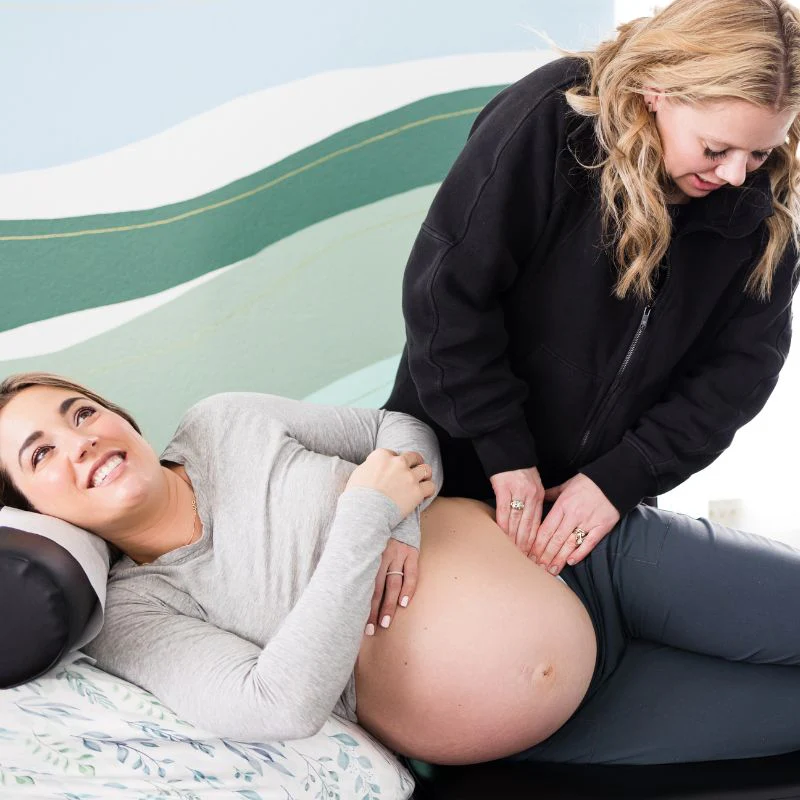
In the quiet, sacred space of birth, there is a delicate physiological balance at play. For labor to progress efficiently, the body requires a specific “cocktail” of hormones—primarily oxytocin and endorphins. This hormonal dance is incredibly sensitive to the environment. When the brain perceives too much external noise, bright light, or social pressure, it often initiates a “safety check,” inadvertently slowing or stalling the progress of labor.
Understanding why overstimulation impacts the birthing process is a key component of effective pregnancy preparation. When we know how to curate an environment that protects the birthing person’s nervous system, we create the optimal conditions for a smoother, more efficient birth experience.
The Biology of the “Safety Check”
To understand overstimulation, we must look at the autonomic nervous system. The birthing body needs to be in a parasympathetic state—often called “rest and digest”—for the uterus to contract effectively. Oxytocin, the hormone responsible for contractions, is notoriously shy; it thrives in environments of safety, warmth, and intimacy.
However, if the brain perceives a threat, it triggers a sympathetic nervous system response: “fight or flight.” During this shift, the body releases adrenaline. While adrenaline has its place in human survival, it acts as a direct inhibitor of oxytocin.
When a laboring person is bombarded with too much input—loud conversations, harsh clinical lighting, constant interruptions, or even well-meaning but frantic energy from those in the room—the brain concludes that it is not “safe” to bring a baby into the world. Consequently, labor may slow down, become irregular, or stall altogether. This is not a failure of the body; it is a protective mechanism.
Identifying Sources of Overstimulation
Overstimulation can be subtle, and what feels “normal” in daily life can feel like a cacophony during the heightened sensitivity of labor. Here are common triggers that can cause labor to stall:
1. Environmental Factors
Bright, fluorescent hospital lights are a classic example of sensory overload. Our eyes are wired to signal alertness in response to light, which keeps the brain in a state of high-alert. Similarly, loud machines, high-traffic hallways, or a room temperature that is too cold can pull a laboring person out of their “birthing bubble.”
2. Social Pressure and Interrogations
“How far along are you?” or “Is there any change yet?” These questions may seem harmless, but they force the birthing person to move from an intuitive, internal space to a logical, analytical one. This shift into the “thinking brain” (the neocortex) can disrupt the rhythm of the “feeling brain” (the limbic system).
3. Too Many Voices
Every voice in the room demands a response, whether verbal or energetic. In many of our labor birth techniques workshops, we emphasize that the fewer people asking questions or offering unsolicited advice, the easier it is for the birthing person to stay focused on their body’s cues.
Strategies to Protect the Birth Space
Avoiding overstimulation isn’t about avoiding birth support; it’s about curating a space that protects your peace. Here is how you can mitigate these triggers:
Cultivate Your “Bubble”
Create a “bubble” around your labor space. If you are in a clinical setting, bring elements of home. A small battery-operated candle, a familiar pillow, or a playlist of calming music can act as a sensory shield, helping your brain feel that you are in a protected, private environment.
The Power of “Low Light, Low Sound”
Dimming the lights—or wearing an eye mask—can do wonders for oxytocin production. Encourage your birth team to speak in lower, slower, and fewer words. If you are looking for guidance on how to facilitate this for your partner, our resources on partners support provide actionable scripts to help them become the “gatekeeper” of your birth space.
Trusting Your Body’s Pace
It is important to remember that progress is not always linear. Sometimes, a “stall” is simply the body taking a rest after a period of intense work. Before reaching for interventions to “speed up” labor, ask yourself if your environment feels safe enough for your body to relax. Returning to our mind-body practices can help you reconnect with your intuition during these moments of transition.
A Note on Professional Support
While creating a sanctuary is essential, having knowledgeable support is equally vital. Sometimes, the anxiety of not knowing “what’s next” is a form of internal overstimulation. Having a doula or a care provider who understands the physiology of birth and the importance of a calm environment can help you navigate these moments with confidence.
At A Gentle Birthing, we advocate for birth environments that honor the biological needs of the birthing person. By adhering to our gentle birth principles, families can often avoid the cycle of “cascade of interventions” that stems from unnecessary overstimulation.
Frequently Asked Questions About Birth Environments
We often hear questions from families about how to handle the hospital environment. For instance, many parents wonder: How do I decline cervical checks if I feel they are disruptive? or What if the staff isn’t honoring my request for a quiet room?
We have compiled a library of common inquiries to help you feel prepared to advocate for your space. You can review our frequently asked questions for practical advice on navigating these scenarios. If you are in the local area and looking for more personalized guidance on setting up your birth space or connecting with birth professionals, please contact us—we are here to support your journey.
Conclusion: Honor Your Rhythm
Your labor is not a performance, and it does not need to adhere to a clock or a set of external expectations. It is a biological process that follows the rhythm of your nervous system. By consciously identifying sources of overstimulation—whether they are bright lights, constant interruptions, or high-stress energy—you can curate an environment that truly supports you.
For further reading on the neurological impacts of stress and environment during labor, organizations like DONA International provide excellent resources on how professional support can help shield birthing families from unnecessary interruptions.
Remember, you are the expert in your own body. Trusting yourself to say “no” to distractions and “yes” to stillness is one of the most powerful things you can do to invite your baby into the world with ease and confidence.